How 77 Million Fitness Members Work Out: New HFA Data Reveals Shifting Equipment, Training, and Membership Trends

Strength, recovery, and balance are shaping gym and studio participation, as US members blend equipment, coaching, and community in new ways.

The US fitness industry reached new heights in 2024, with gyms, studios, and other fitness facilities welcoming an unprecedented 77 million members and serving nearly 96 million total customers. As participation rises, how people are using those facilities is changing in ways that will shape the next phase of industry growth.

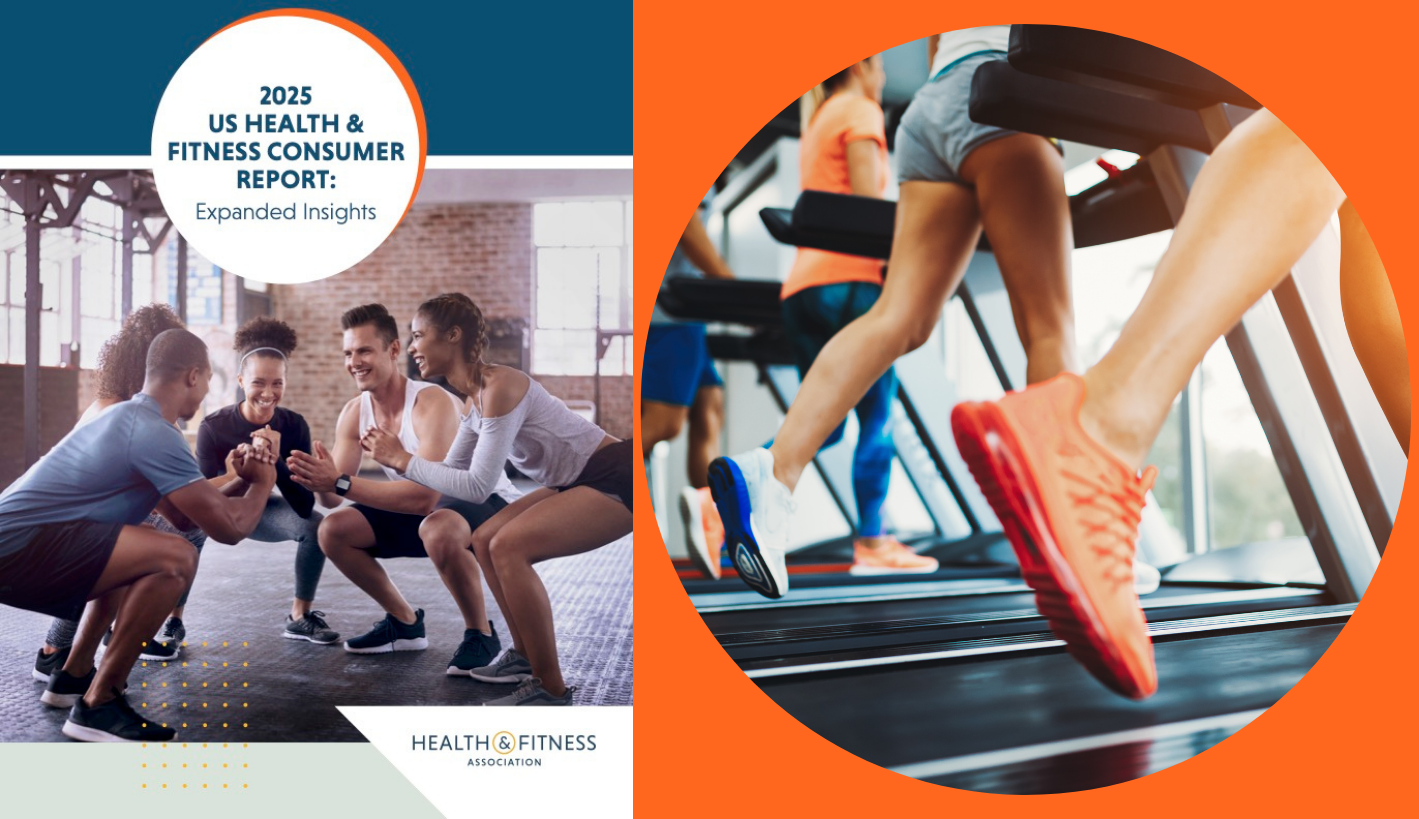
That’s the central finding of the 2025 US Health & Fitness Consumer Report: Expanded Insights, released today by the Health & Fitness Association (HFA). The new report is the second installment in HFA’s annual consumer study. While the previously released Headline Trends report presented a high-level snapshot of nationwide participation and growth, Expanded Insights explores the behaviors, preferences, and demographics behind that growth, offering a closer look at how members actually engage with their fitness environments.

Based on a nationally representative survey of 18,000 US residents aged six and older, the combined reports provide the most comprehensive picture to date of how Americans interacted with the fitness industry in 2024—from equipment use and activity participation to coaching, facility selection, and retention.

Consumer Image

The US fitness industry reached new heights in 2024.

A Record Year for Membership and Engagement

Fitness facility membership rose 5.6% in 2024, closely following 2023’s 5.8% gain and extending the industry’s strongest two-year growth streak on record. One in four Americans aged six and older (24.9%) held a fitness facility membership last year, while total customer penetration—including aggregator users, pay-as-you-go participants, and insurance or employer program members—reached 31.0%.

The data highlights how fitness facilities have become a central hub in Americans’ pursuit of health and well-being. But while more people are returning to structured exercise settings, their behavior inside those facilities looks different than from before the pandemic. The modern member is less narrowly focused on intensity and more attuned to balance, longevity, and overall quality of life.

What Members Actually Use

Treadmills and free weights remain the backbone of the gym experience, but subtle shifts in equipment use reveal deeper changes in training culture. In 2024, 43.4% of members used treadmills, and 32.1% trained with dumbbells or free weights, making these the most frequently used modalities. At the same time, reliance on resistance machines and ellipticals continues to decline, down from 31.4% and 23.2% in 2021 to 26.6% and 18.8%, respectively. The trend signals a gradual move toward more functional, free-form workouts emphasizing strength, coordination, and control.

Mind-body and recovery-oriented activities are also on the rise. Yoga participation increased from 20.2% to 21.8% year-over-year, while Pilates climbed to 8.1%. These growth areas contrast with flattening or declining participation in high-intensity formats such as HIIT, bootcamp, and calisthenics.

Meanwhile, pickleball’s surge continues to reshape facility programming, with participation among members more than doubling from 3.3% in 2021 to 8.1% in 2024. For many operators, that growth is driving investment in multipurpose spaces and hybrid membership models that merge sport, recreation, and fitness.

Coaching, Accountability, and the Hybrid Routine

Professional coaching has become a defining feature of the fitness experience. Nearly one in four members (22.6%) worked with a personal trainer in 2024, and one third (32.3%) took part in small-group training. These figures mark historic highs for both categories. Women accounted for much of the 2024 growth in personal training, up 15.9% to 7.3 million participants, while teens and Gen X adults led small-group training growth.

However, while more members are engaging in coaching, they’re doing so less intensively. The average member completed 21 personal training sessions in 2024, down from 28 in 2019. The same pattern appears in small-group training, where session counts have fallen to 23 per year.

Anton

Anton Severin

Who Belongs Where: The New Membership Landscape

Facility type and member profile are increasingly intertwined. Gender balance remains roughly even across the industry, but differences by facility type are widening: studios are increasingly female-driven, while multipurpose, corporate, and nonprofit facilities skew male. Racial and ethnic diversity is also rising, particularly within studios and workplace fitness centers, which have become gateways for segments historically underrepresented in traditional gyms.

Income segmentation remains pronounced. Members with a household income of over $75,000 continue to represent just over half of all memberships, yet growth has accelerated among middle-income households. Lower-income participation has increased modestly, supported by expanded access through employer programs, community centers, and insurance partnerships.

 A Broader Cultural Shift

Across all findings, one theme emerges: Americans are redefining what it means to be “fit.” Traditional boundaries between strength, flexibility, and recreation are fading, replaced by a holistic approach that blends training, recovery, and social connection.

“The new report illustrates how Americans are blending equipment, formats, and coaching in ways that are reshaping how facilities serve their members,” said Anton Severin, vice president of research at HFA. “We’re seeing greater variety in how people train and a stronger focus on longevity, recovery, and balance. These are clear signs that fitness has become a lifelong pursuit rather than a temporary phase.”

About the Report

The 2025 US Health & Fitness Consumer Report: Expanded Insights draws on data collected by Sports Marketing Surveys USA in partnership with HFA and other members of the Physical Activity Council. The study reflects a rolling 12-month participation rate and represents the full US population aged six and older.

The report covers topics of strategic importance to operators, suppliers, and policymakers— including demographics, attendance and engagement benchmarks, membership pricing, multi-membership patterns, and studio segmentation—and is available free to HFA members at healthandfitness.org/publications.