Making a Mindset Shift
Successfully navigating this challenging growth phase demands a pivotal shift in mindset—from excelling as a club operator to emerging as a visionary leader of a scalable enterprise.
This evolution involves building a robust infrastructure, systemizing the brand’s “secret sauce,” empowering a new layer of leadership to carry the torch forward, and more.
So, how can owners learn to overcome the hurdles of expansion and build a fitness empire that is both profitable and true to its soul?
To find out, HFB spoke with three successful industry leaders with an enviable track record of expanding their footprint while maintaining the quality and essence of their brand: Gale T. Landers, founder and CEO of Fitness Formula Clubs (FFC), Rodney Steven, founder of Genesis Health Clubs, and Colin Grant, co-founder of the PURE Group.
Stay True to Core Values
Landers built FFC into a 10-location Chicago-based chain over the past four decades on a foundation of core values.
“From day one, FFC was built on five core values: safety, friendliness, superior service, improvement, and integrity,” he states. “We go to great lengths to ensure every FFC location feels like a natural extension of the original: personal, community-driven, and deeply committed to helping people live healthier lives.”
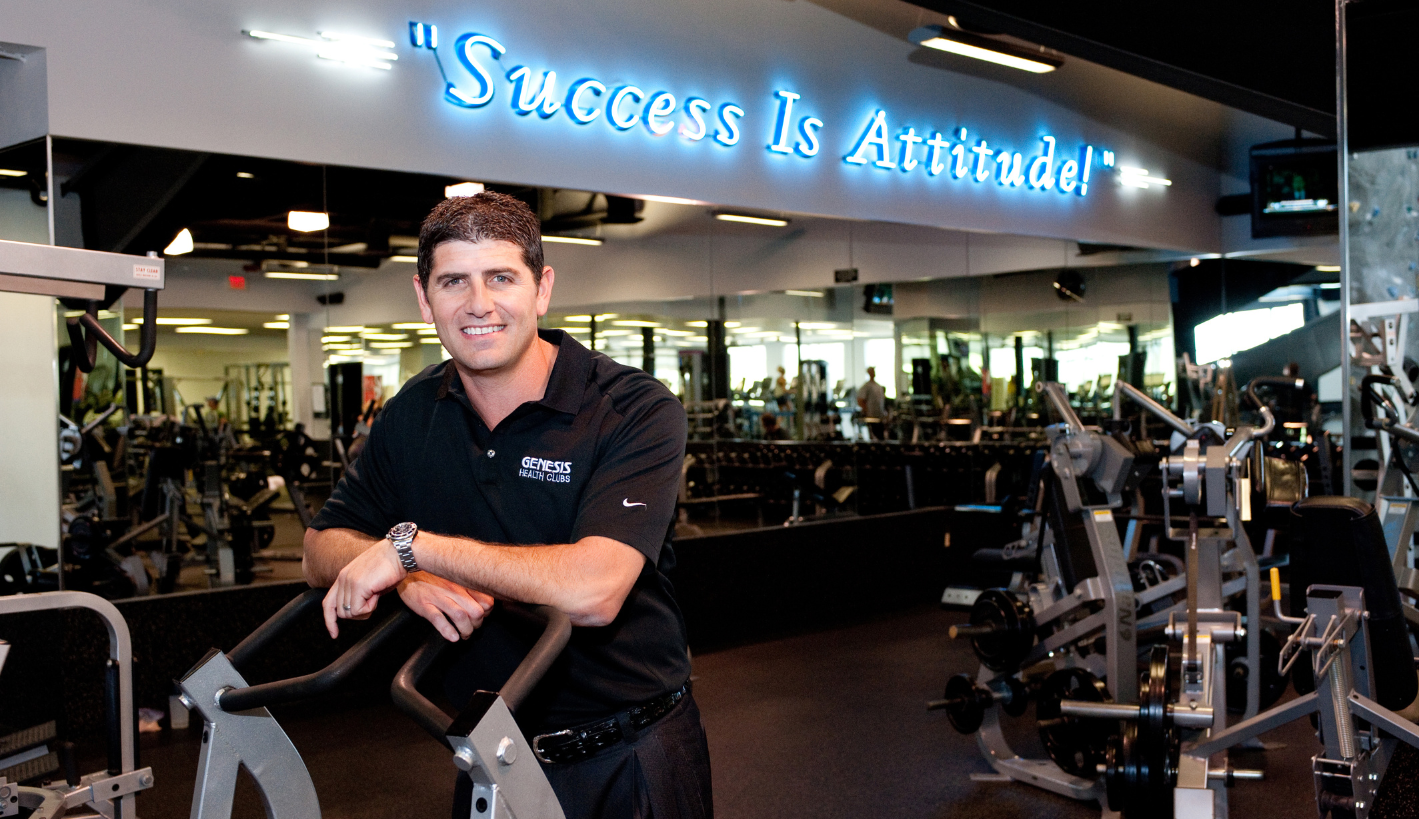
Steven owns 77 clubs in 13 states, including Kansas, Missouri, New Jersey, and New York. The Genesis culture is centered on a simple, powerful idea: From day one, it’s been about people.
“In fact, that became one of our strongest core values: Make Me Feel Important, or MMFI,” Steven says. “A brand is more than a logo; it’s how you make people feel when they walk through the door.”
At Hong Kong-headquartered PURE Group, which operates 37 PURE Yoga, PURE Fitness, and Re:set by PURE studios across Asia, founder Colin Grant embedded his vision of accessibility and community from the start.
“We wanted to break down barriers and build a social space where every- one felt they belonged,” Grant explains. This ethos is maintained through what he calls a flexible framework.
“The core stays true: authenticity, quality, and the PURE values. But we adapt to each neighborhood,” he adds.
To ensure this consistency, operators must define and document their “secret sauce.”
For FFC, this meant systemizing financial discipline, quantifiable service standards, staff training, and fanatical attention to operational excellence. At Genesis, it was about creating clear playbooks for sales, service, and programs to ensure every member gets the same welcoming feeling. For PURE, it involved a concerted strategy to build community and inclusion, developing an employee training system to instill leadership skills, and creating centralized systems to better manage expansion as the brand grew.