
Americans Treat Exercise as Essential Spending Heading Into 2026
82 million Americans plan to spend $60 billion in support of health, exercise and fitness goals.

Looking ahead to 2026, Americans view health and fitness not just as key goals for the new year but also as essential household investments—expenses that are unlikely to be among the first to be cut when households face financial pressure.
Americans plan to spend an estimated $60 billion in 2026 to support their health, fitness, and exercise goals and New Year’s resolutions, according to a nationwide survey from the Health & Fitness Association (HFA). (View a graphic of the survey data.) The findings point to a sustained and deeply rooted commitment to physical activity, even as broader economic uncertainty continues to shape consumer decision-making.
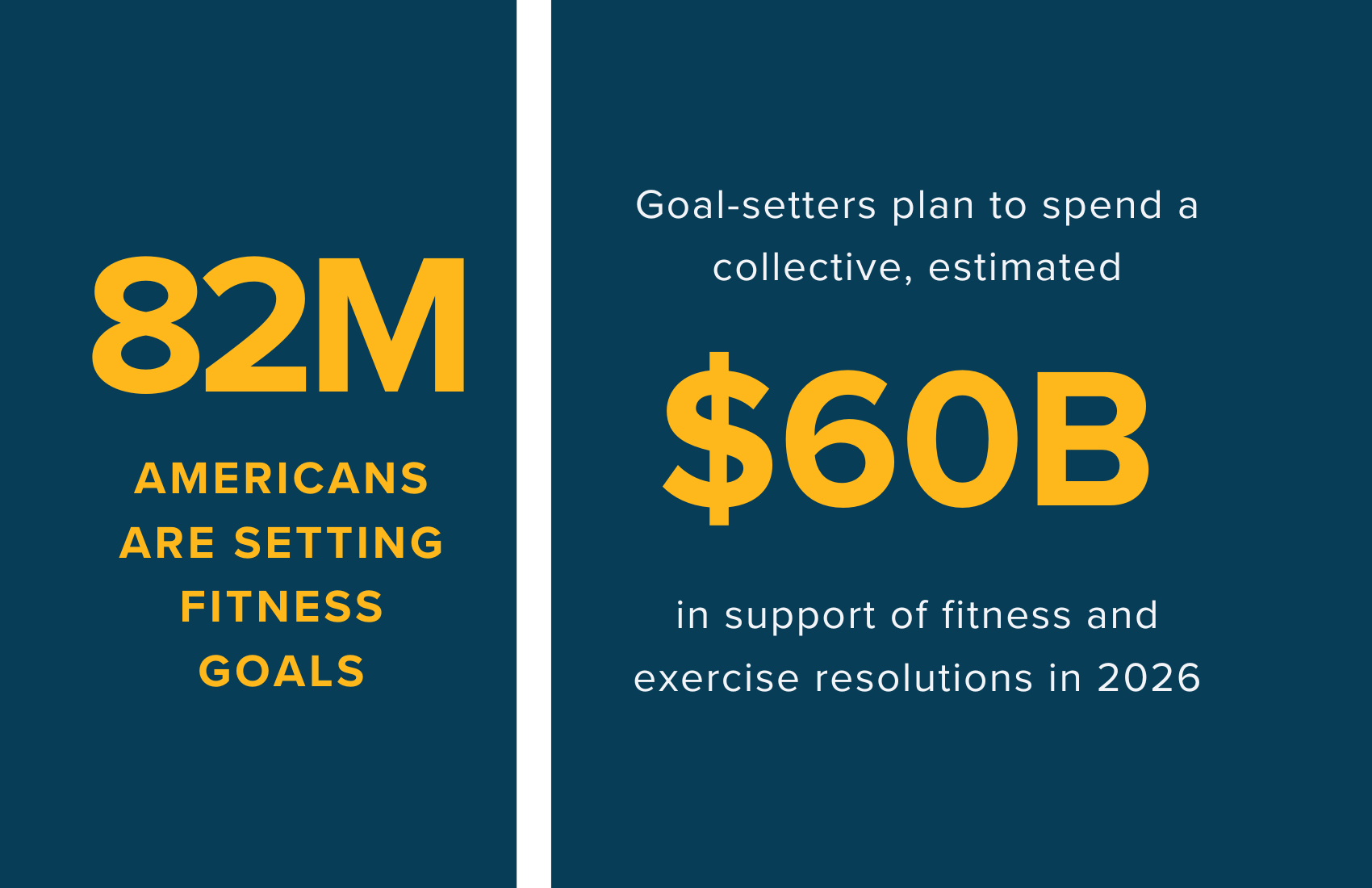
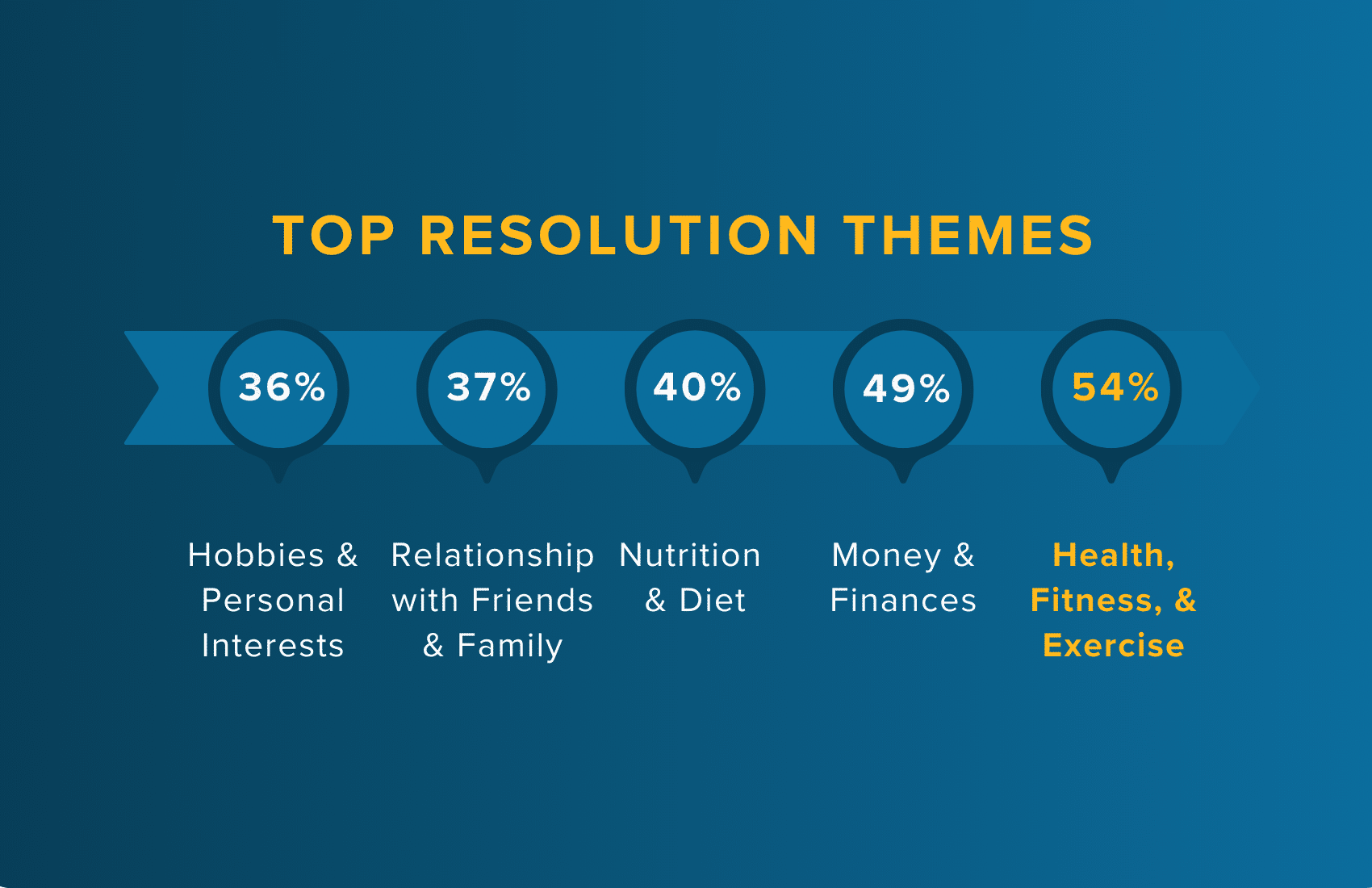
More than half of US adults (56%), roughly 151 million people, say they plan to set personal goals for the year ahead. Among those goal-setters, health, fitness, and exercise stand out as the most popular focus, cited by 54%—equivalent to approximately 82 million Americans.
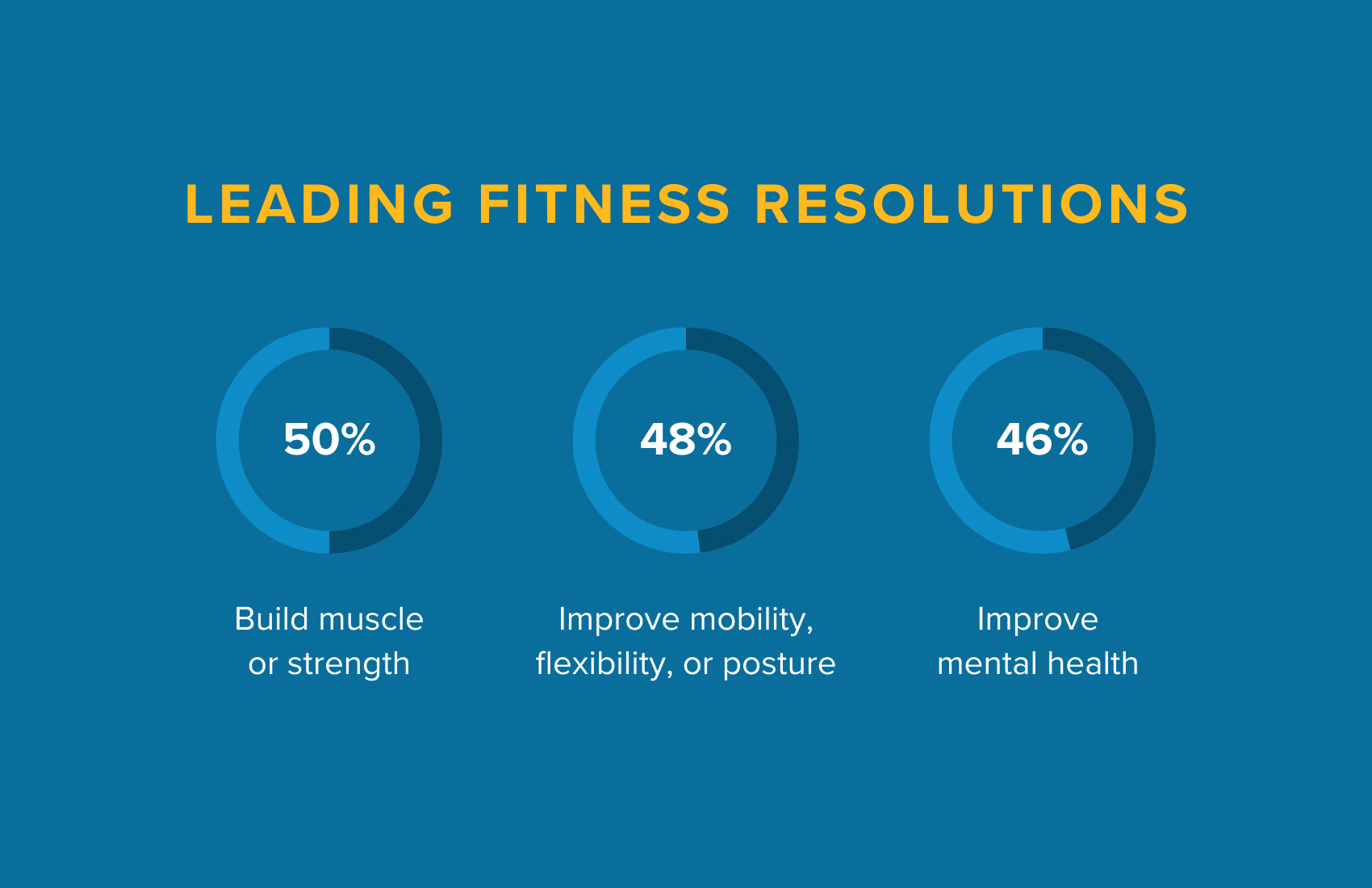
Importantly, these goals reflect a broad understanding of health as Americans’ fitness ambitions span multiple dimensions of physical and mental well-being. Half of those setting health-related goals say they aim to build muscle or strength, while nearly as many want to improve mobility, flexibility, or posture (48%). Improving mental health through physical activity is also a top priority, cited by 46%.
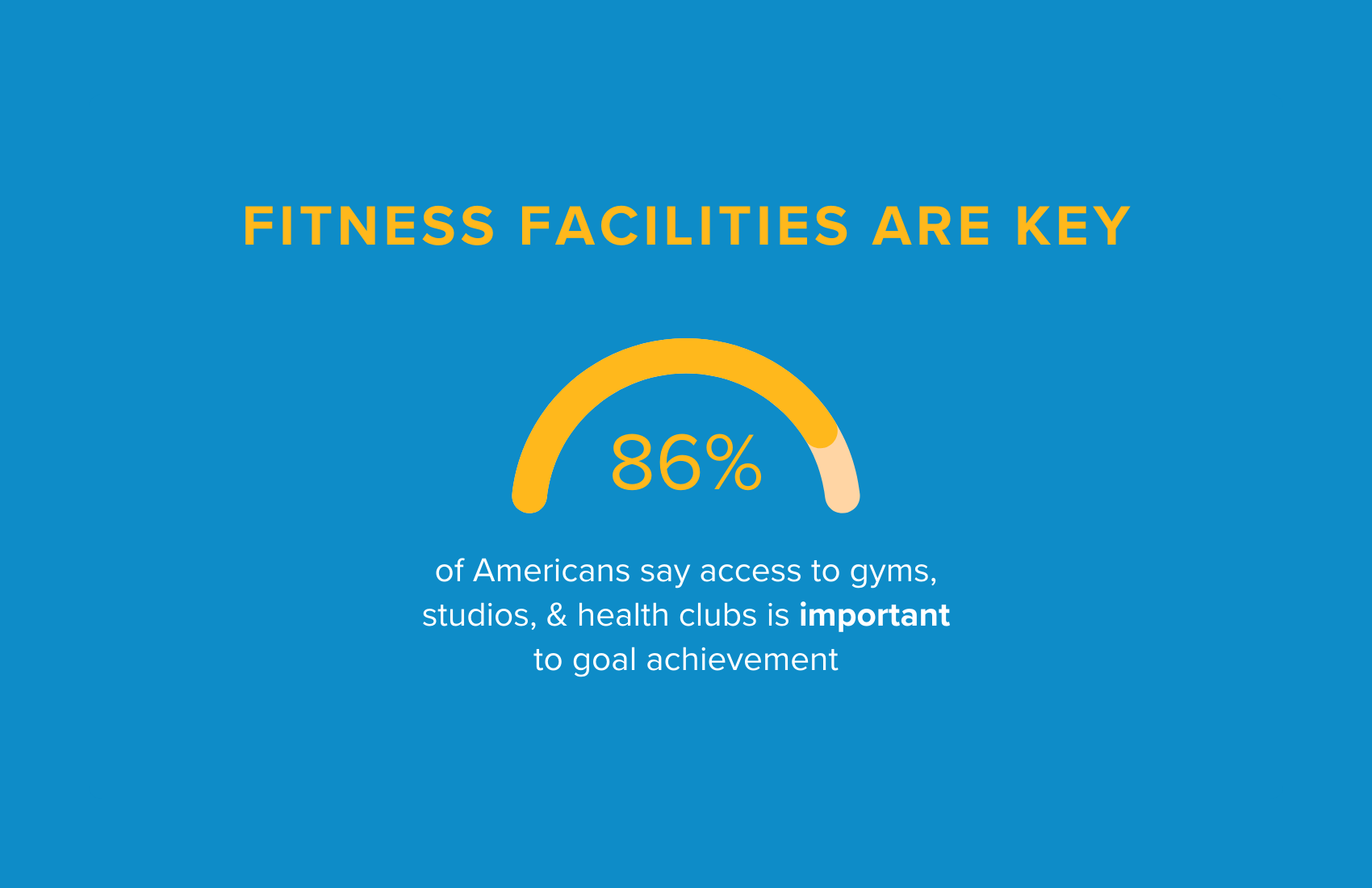
Turning goals into action, however, depends heavily on access to structured exercise environments. An overwhelming 86% of Americans say that access to gyms, studios, or other fitness facilities will be important to achieving their 2026 goals, including 61% who say it will be very important. These findings reinforce the role that professionally operated facilities play in supporting consistency, motivation, and long-term engagement.
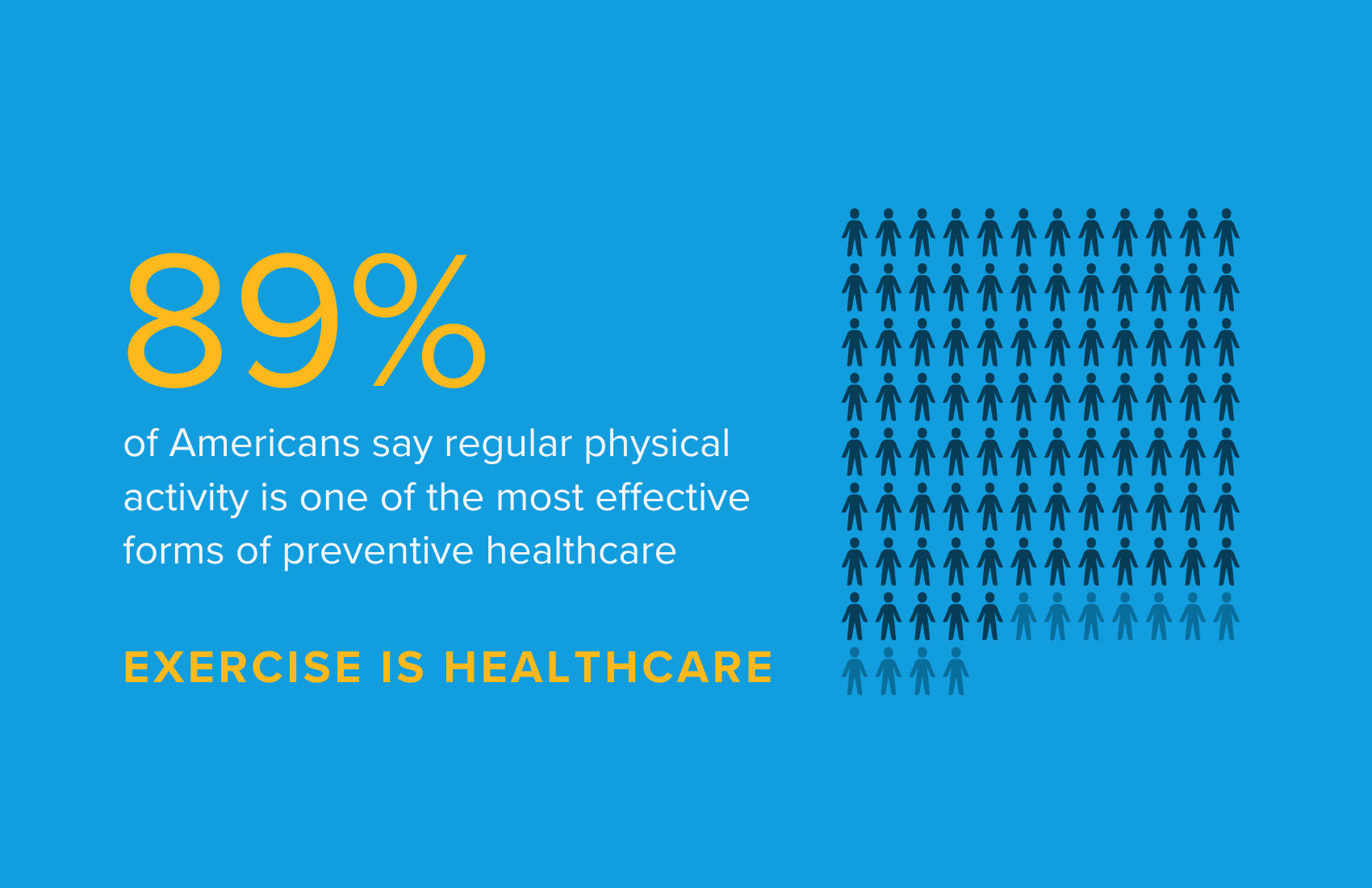
Underlying these behaviors is a powerful belief about the value of exercise itself. Nearly nine in 10 Americans (89%) say that regular physical activity is one of the most effective forms of preventive healthcare. That mindset increasingly shapes how households allocate their budgets.
When asked which costs they would reduce if necessary, 44% said dining out, 36% said travel or vacations, and 29% said entertainment. Only 23% said fitness or exercise.
That commitment translates into meaningful spending. Among Americans planning to set health or fitness goals, expected spending averages $61 per month, or roughly $733 per year. At a national level, this adds up to an estimated $60 billion in planned health and fitness spending in 2026.
“Americans are not just setting fitness goals; they are budgeting for them,” says HFA President and CEO Liz Clark. “This research shows that people increasingly see exercise as an essential investment in their long-term health. Even in a challenging economic environment, Americans are prioritizing physical activity as a proactive form of preventive healthcare.”
Notably, Americans are also following through on their intentions. Among those who included health, fitness, or exercise goals in their New Year’s resolutions for 2025, 55% say they fully achieved them—a striking indicator of sustained engagement and behavior change.
Taken together, the findings highlight the enduring role of fitness in Americans’ personal health strategies and financial planning. They also underscore the continued importance of the US fitness sector in helping Americans translate intention into action, as well as in supporting long-term public health across the country.
The online survey was conducted by Kantar, on behalf of HFA, between December 5-16, 2025, among a nationally representative sample of 2,000 US adults aged 18 and older. The margin of error is ±2 percentage points and higher among subgroups.